
Continuing our #HowWeWork series
This time, we’re taking a look behind the scenes at where decisions are taken, hours of discussion take place, and where the word “quorum” is heard more often than “coffee” (though one simply isn’t the same without the other).
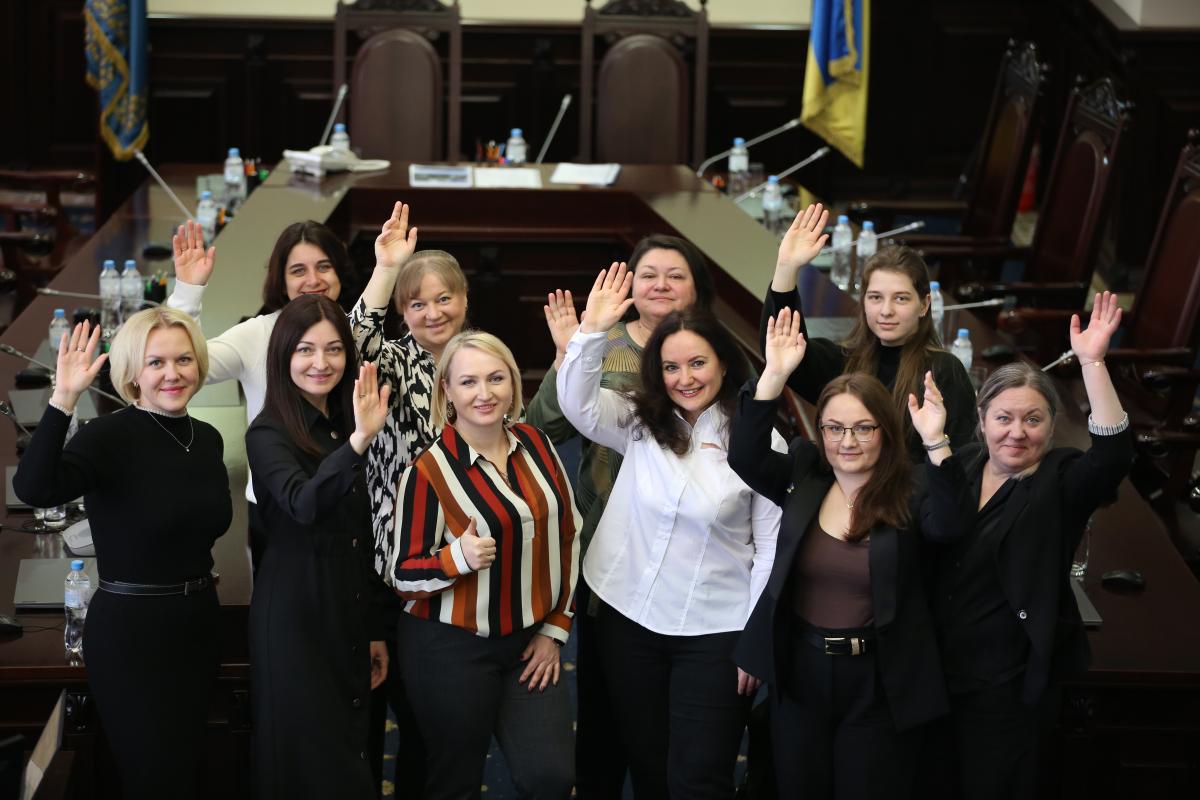
Meet the Department for Preparation and Holding of the Meetings of the Commission.

To put it simply, they are the ones who make the sessions happen in the first place. To put it a bit more complexly, they are the people who keep everything under control: from the agenda to the very last document that needs to have been ready “yesterday”.
Rumour has it that they know how to manage time. This is partly true, because they need to draft dozens of items into documents, gather materials and bring participants together for a single session, ensuring everything runs like clockwork – without this, it simply wouldn’t work.
At the same time, “malicious tongues” spread nonsense: when there are no sessions, the department staff sit around with nothing to do. But we know better: if there’s “no session” on the calendar, it means only one thing – the next one is already being actively prepared. In reality, the session is just the tip of the iceberg, and the whole “underwater part” of preparing documents and getting them approved doesn’t just vanish into thin air.
Behind every decision of the Commission lies not only a vote, but also a great deal of often unnoticed work that makes the process clear, organised and continuous.
And, of course, the Department has its own “legendary figure” – the person who constantly brings decisions to the Commission members for signature. They recognise her from afar and without fail, but the reaction is always instant: “What’s to be signed?” They joke that you can’t hide from her – she’ll find you both during and between sessions.
What do they do?
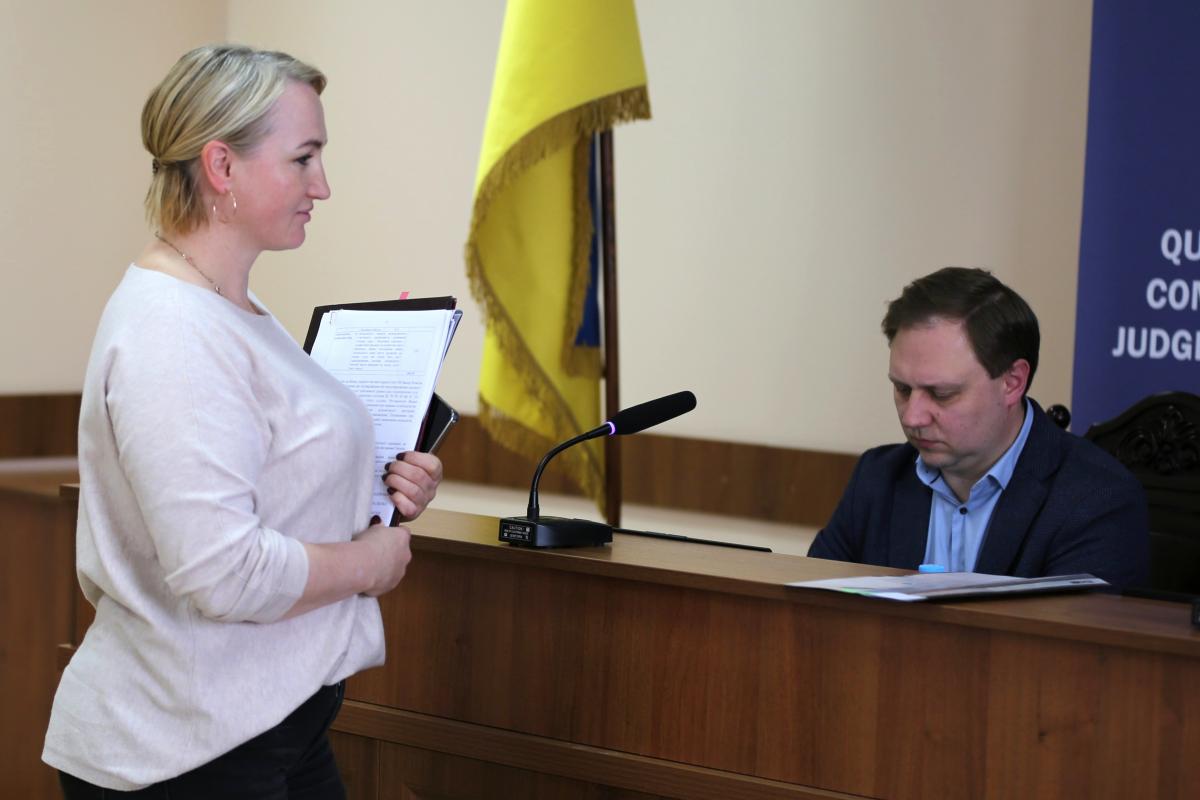
Meet the team behind every session:
- those who draw up the agenda for the session and know which item will be first and which will be tenth;
- those who collect, check and organise all the materials (and always notice if something is missing);
- those who coordinate participants and ensure that “everyone is informed, in place and on time”;
- those who ensure that the session takes place not only in practice but also legally flawlessly;
- those who broadcast the session online;
- and, of course, those who, after it’s all over, also finalise the results so that there isn’t a single “but” in the documents.
A day in the life of the Department:
Morning: “How many agenda items are there today? Five? Excellent. And how many sessions in total? Also five? Are they all in panels, or is there a plenary session too? We’re checking the materials, clarifying the details, and keeping in touch with everyone involved”.
Before the session: “Are all the documents in place? Are all participants connected/present? Last-minute notification about the video conferencing? Let’s get to work!”.
During the session: “We record, monitor and clarify. The pace is fast, but everything must be accurate”.
End of the day: “Decisions have been taken. We draft, check, sign, register and prepare for publication. And… we start thinking about the next session”.
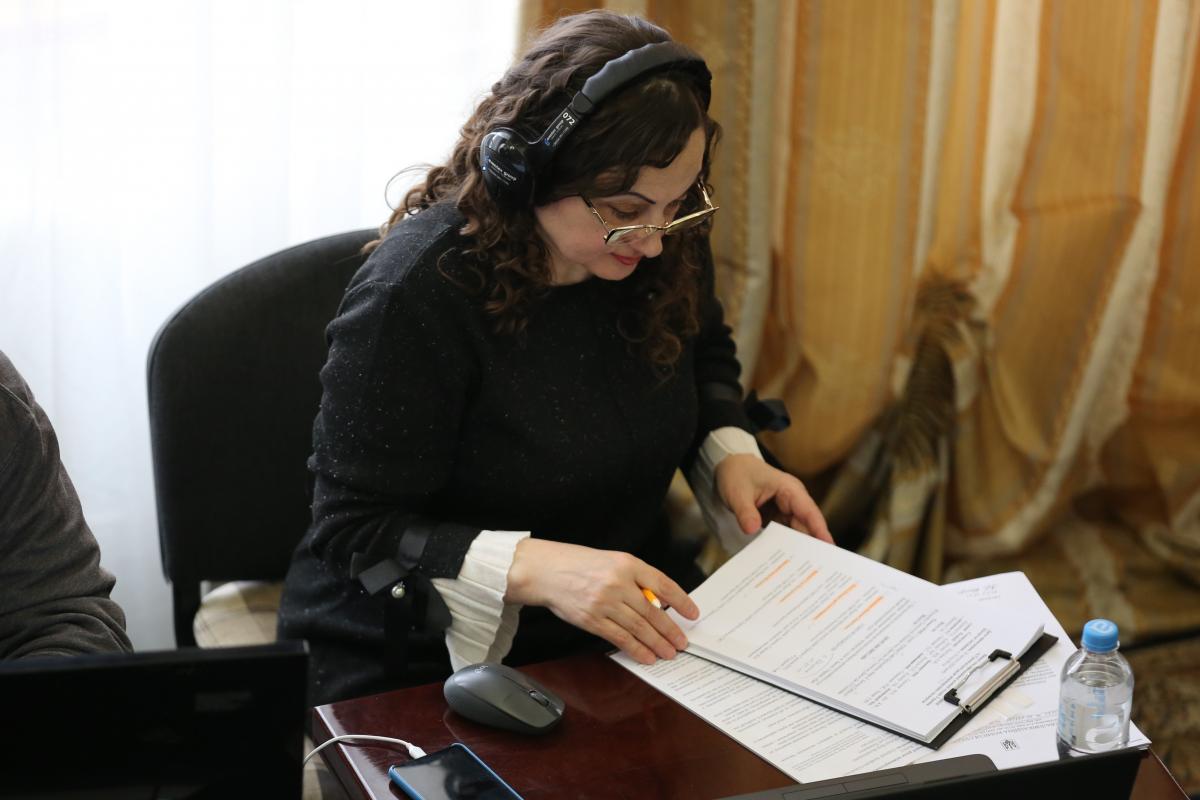
Interesting facts about the Department:
- sometimes the order in which items are considered may change – and they are prepared for this;
- they know exactly how long each item takes (and why this is sometimes just a theory);
- the most popular “internal” question: “How many requests for copies of decisions are there today?”;
- in 2025, 442 sessions were held and 17,390 pages of 2,527 Commission decisions were published.
The Head of the Department explains…
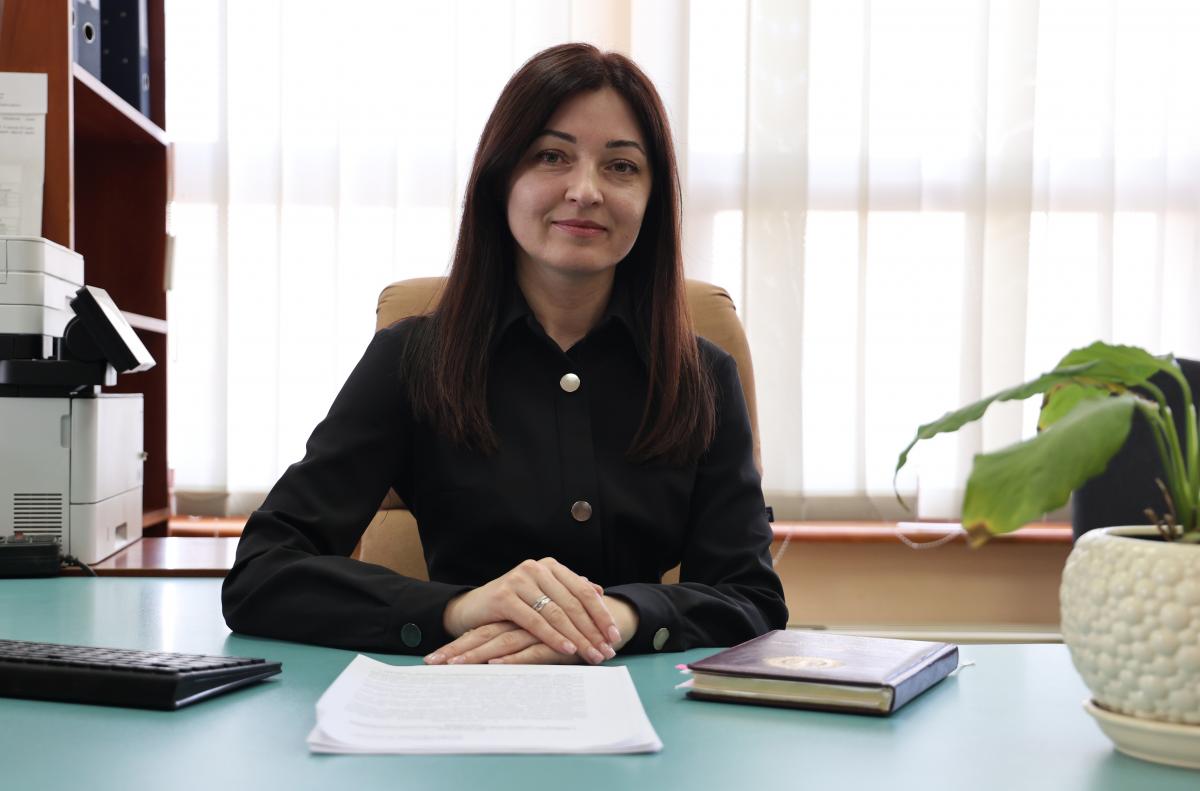
Svitlana Nesterenko, Head of the Department for Preparation and Holding of the Meetings of the Commission of the Secretariat of the HQCJ.
The Commission is a collegial body; all key decisions are taken during its sessions. So, it is no exaggeration to say that your Department is at the heart of these processes. How does it all work internally, and how many people are employed there?
The Department comprises two divisions: one responsible for preparing Commission sessions and conducting them, and the other for monitoring and recording Commission decisions. The Department employs 12 staff members who, in effect, plan future sessions on a daily basis and ensure the organisation of today’s scheduled sessions.
Our structural unit is a sort of “kitchen”, where work begins, so to speak, with the process of preparing all the “ingredients” needed to create the “main course”: drawing up the list of issues to be considered at a specific session, agreeing it with the chair of the session, notifying the persons concerned by the issues to be considered at that session, posting information about the session on the Commission’s official website, and ensuring the scheduled session takes place. Next comes adherence to a standard procedure for registering and recording the Commission’s decisions, taken following the consideration of issues at the session. And this entire process must take place in accordance with the “recipe and process chart”, that is, in accordance with the requirements of the Commission’s Rules of Procedure and current legislation. These are merely the core functions assigned to the structural unit.
When you watch the sessions, it seems as though the staff’s role is merely to act as secretaries, but this is a false impression. What does your team actually do outside of the sessions?
In reality, there is a great deal of “behind-the-scenes work”. And our main “speciality” isn’t in the public eye, but rather in ensuring that all processes run as smoothly as clockwork. Prior to sessions, the Department’s staff prepare information and reference materials, ensure that notifications are received by the persons whose issues will be considered at the session; should a decision be taken to hold the session via videoconference or live webcast, they organise and conduct such a session, sign, registration and record-keeping of the Commission’s decisions, the publication on the Commission’s website and the Unified State Open Data Web Portal of lists of issues submitted for consideration at the session, as well as decisions taken by the Commission, prepare session minutes, monitor compliance with deadlines for the preparation and formalisation of decisions, compile and maintain registers for the recording and registration of decisions, produce copies of these decisions, extracts from minutes and copies of technical records of sessions, prepare draft responses to enquiries and appeals, draft decisions in accordance with the Department’s powers, and perform other functions assigned to the Department. This represents a significant volume of daily work, ensuring that sessions are organised and held on time and in accordance with the Commission’s Rules of Procedure and applicable legislation. Decisions are drafted, signed, published and included in judges’ and candidates’ files. Here are some figures by way of example: in 2025, 442 Commission sessions were held; 2,527 Commission decisions were processed, signed and registered; 17,390 pages of these decisions were anonymised; and 8,125 copies of decisions and extracts therefrom were produced.
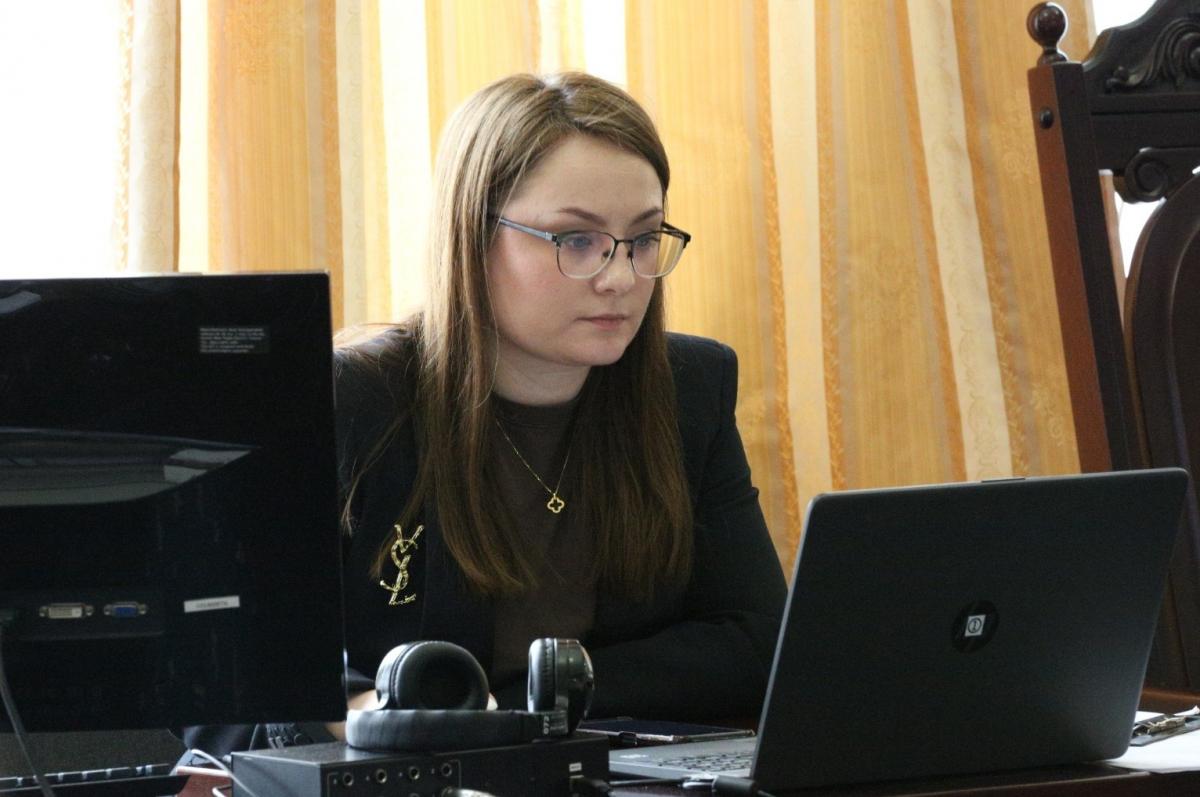
There are many procedures within the Commission, and many candidates in various competitions; often, several sessions are held simultaneously in a single day. How, then, do you manage to coordinate and conduct everything?
Every member of staff in the Department knows exactly what they are responsible for and is familiar with all stages of the procedures conducted by the Commission; therefore, regardless of the number of sessions scheduled each day, candidates for the position of judge, judges, as well as representatives of the Public Integrity Council or other interested parties always find their way to the appropriate session room. And if an unexpected situation arises, the staff member immediately tries to figure out how to sort things out and be ready for the session on time. Recently, there has been an increase in technical work, as most sessions are streamed online, allowing for remote participation. Should a technical glitch occur – in most cases due to a power cut – colleagues from the Department of Information Technologies are always on hand to assist. A few minutes’ technical break – and everything is working flawlessly again. Staff from the Court Security Service ensure safety and order in the premises on a daily basis. The Commission operates an access control system, so when the secretary checks the attendance of those arriving for the session, they always know that no unauthorised persons can be present in the session rooms.
Presumably, you receive quite a few enquiries regarding sessions and decisions. Which of these stand out as the most complex or unexpected?
We receive a great many enquiries and requests, particularly during the period when the Commission is shortlisting candidates for appointment as judges or for participation in competitions to fill vacant positions of judges. A single selection process or competition can involve up to 10,000 participants. Every candidate wants to know and understand the dates and outcomes of the consideration of issues concerning them, which is why we receive numerous appeals.
Many questions are along the lines of “Why was this particular decision taken?”, requests for a copy of the decision even though it is still being finalised, demands for a copy of the technical record of a session held in camera, or documents containing personal data of persons. Among the most unexpected are requests to correct a clerical error in a Commission decision dating back ten years. However, the most complex requests are those, particularly from lawyers, concerning archived records of the Commission’s activities, specifically regarding sessions held under various procedures and the content of decisions taken, etc. Usually, when fulfilling these requests, it is necessary to search for information amongst a significant amount of data covering a long period of the Commission’s activities.
And a bit about the “human” side of things: what drives you most in your work, and what, on the other hand, is a sort of daily routine that you simply can’t do without?
As for what “drives” us – I suppose, first and foremost, it’s the sense of being part of an important process and its outcome. We are among the first to see how the Commission’s decisions are taken, even before others find out about them. Secondly, it’s that “live feeling” – once the session begins, there’s no room for error. It is precisely the ability to resolve a problem quickly (a technical glitch, a change in the order of issues) that gives a powerful sense of being in the thick of things, even a sense of drive. It also captures the moment when lively professional discussions turn into a clear legal decision.
An essential daily routine involves coordinating lists of questions and session schedules so that all Commission members can hold the planned number of sessions at the specified times, preparing information and reference materials for sessions, distributing lists of questions and notices, maintaining registers and tables, endlessly proofreading decisions for publication, checking compliance with the procedure for registering Commission decisions, and etc. This is usually a monotonous but critically important part of management work. That is why this repetitive activity is often seen as a source of motivation when you realise how much you have managed to process, check, prepare, sign, organise, correct, register and publish throughout the day.
